
When the Swell Reaches the Shore: Quintana Roo’s Summer of Empty Rooms (and a World Cup That Wasn’t)
There’s an old fisherman’s instinct along the Riviera Maya: you don’t need to see the storm to know it’s coming. You just watch the water pull back from the beach a little further each day.
That’s exactly what’s been happening in Tulum, Cancún, and Playa del Carmen this summer — except the storm isn’t weather. It’s an ocean away in Washington and Wall Street, compounded by a World Cup that promised a tidal wave of visitors but delivered mostly empty hotel rooms and quieter streets.
The Numbers Behind the Quiet
Hotel occupancy in Tulum hovered in the low 50s in mid-August before sliding further into the 40s by early September — continuing a trend roughly four to ten points below the same weeks last year. Similar softness hit Cancún and the broader Mexican Caribbean. Industry voices remain measured, noting that summer is traditionally slower, but the gaps are real and persistent.
American travelers, the longtime backbone of this coast, booked less, canceled more, and often chose Europe or other Caribbean spots instead. Then came the World Cup — the event many pinned their hopes on. It didn’t deliver the expected surge. Despite team base camps and fan fests, occupancy stayed stubbornly below 60% in many areas, with some reports showing Tulum and Playa del Carmen dipping even lower during key tournament weeks.
Why the U.S. Sneeze Becomes Quintana Roo’s Cold
This isn’t really about one disappointing summer. It’s about how tightly this coastline’s fortunes are wired to economies it doesn’t control. When household budgets tighten up north, the first cut is the discretionary beach trip. Add higher airfares, reduced U.S. seat capacity (nearly a million fewer seats to the region), a stronger dollar that made Mexico feel less like a bargain, and lingering sargassum issues, and you get a slow leak that’s tough to plug.
The World Cup was supposed to change the script. Officials projected massive spillover from the tournament, with fans combining match days in host cities and beach recovery in Quintana Roo. Instead, many stayed closer to the action or skipped the extension altogether. Avenida Quinta in Playa del Carmen — usually buzzing with tourists — told the story on the ground: pockets of energy during Mexico’s early games, but far from the sustained crowds or economic boom that was hyped.
It’s Not Only the North Wind
The U.S. slowdown didn’t arrive alone. Domestic turbulence at Chichén Itzá continued to weigh on cultural tourism, while airline maintenance issues and high prices further thinned the flow. The honest picture is multiple systems converging: weaker demand from the primary market, logistical hiccups, and a World Cup that failed to lift the Caribbean coast as hoped.
The Long View From the Beach
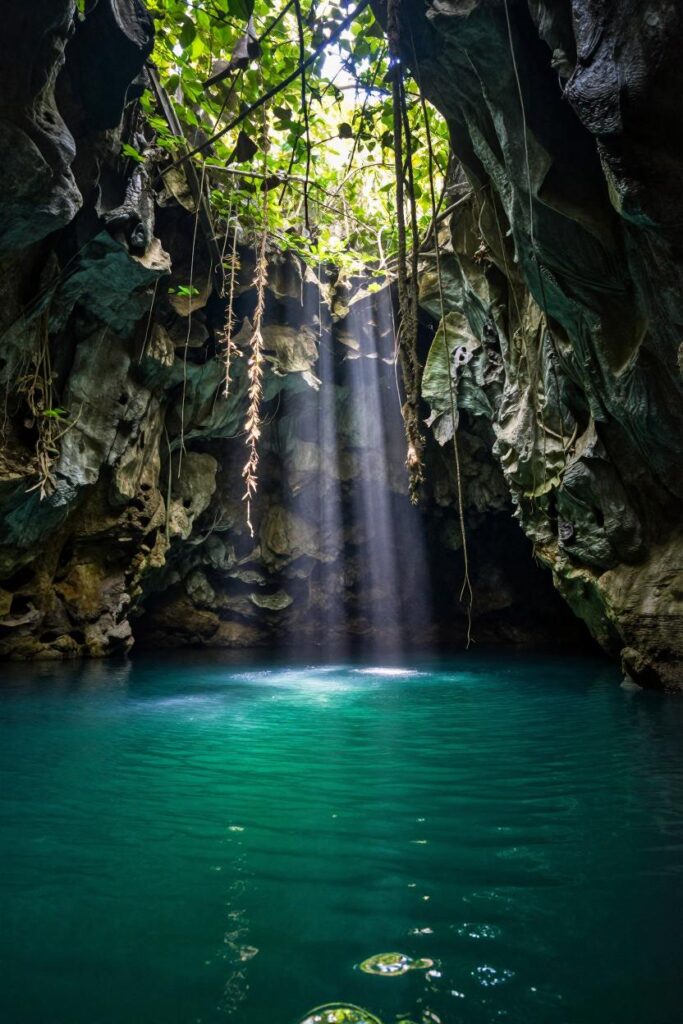
None of this erases what makes the Yucatán singular: jungle meeting reef meeting centuries of Maya history. Cenotes don’t close because occupancy dipped. But the lesson is clear for anyone watching closely — economies on the edge of a great power’s orbit ride those mood swings, and big events don’t always rewrite the underlying wiring.
The World Cup came and went without the rescue many expected. As the tournament winds down and summer gives way to the traditionally stronger fall and winter, hoteliers and restaurant owners are left hoping for a late rebound. But the structural realities remain: a coastline whose fortunes are still tethered to external confidence, currency shifts, and airline schedules.
The water has pulled back. The question now is how long until it returns — and what the beach will look like when it does.