
Our restaurant reviews are coming …where do you find great food like this in QROO / YUCATAN?
Our restaurant reviews are coming …where do you find great food like this in QROO / YUCATAN?
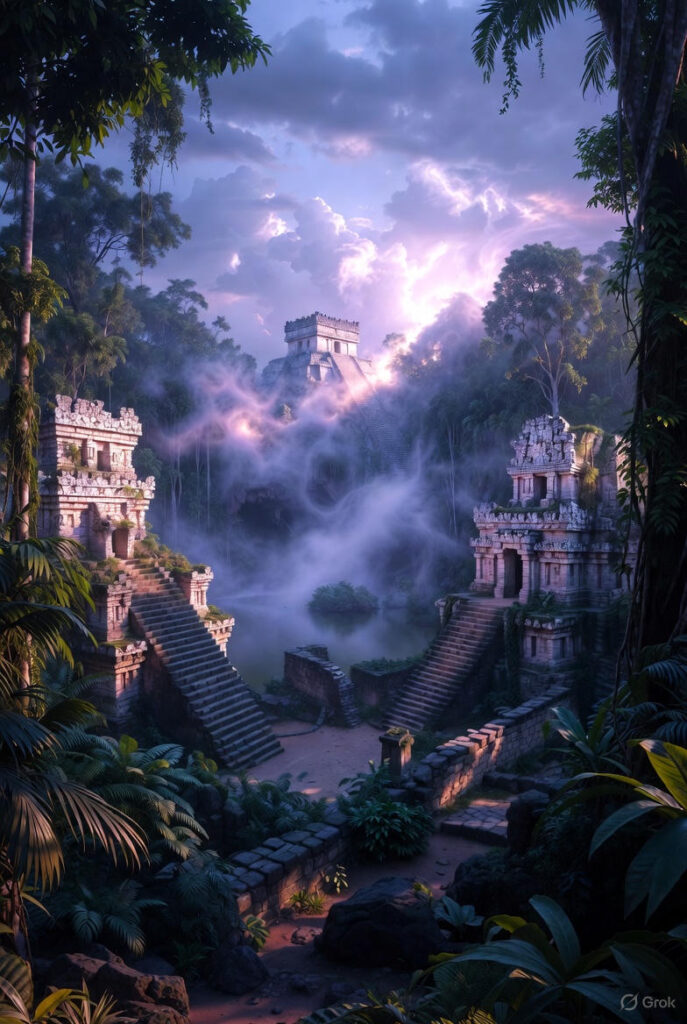
November 21, 2025 – Imagine standing on the sun-baked steps of El Castillo at Chichén Itzá as the late-afternoon light shifts. Exactly on the spring and autumn equinoxes, a shadow ripples down the northern staircase like a living serpent — Kukulcán, the feathered serpent god, returning to earth. In 2026, the equinoxes fall perfectly on weekends (March 20–21 and September 22–23), meaning smaller crowds on the actual days and a rare chance to witness this astronomical masterpiece without the usual crush of tour buses.
It’s moments like these that remind us the Maya civilization never really vanished — it simply stepped into the shadows and kept walking.
For over 3,000 years, the Maya transformed the limestone spine of the Yucatán Peninsula into one of humanity’s greatest intellectual and artistic achievements. Independent city-states rose and fell, trading jade, obsidian, and ideas across vast distances. They invented the concept of zero centuries before Europe, mapped Venus with naked-eye precision that rivals modern telescopes, and wrote libraries in folding bark-paper books (only four of which survived Spanish bonfires).
The Classic-era collapse around 900 AD — triggered by drought, overpopulation, and warfare — emptied many grand centers, but the Maya people endured. Today more than 800,000 Yucatec Maya speakers live in Quintana Roo and Yucatán, cooking the same underground pib tamales their ancestors enjoyed and performing rain ceremonies that predate the pyramids themselves.
New regulations are slowly closing some structures to foot traffic, making 2026 potentially the last “golden window” for certain experiences. Here are the unmissable ones right now:
| Site | Main Pyramid | Height | Unique 2026 Reason to Go | Pro Tip 2026 |
|---|---|---|---|---|
| Chichén Itzá | El Castillo (Kukulcán) | 30 m | Weekend equinox serpent shadow (Mar 20–21) | Book private evening stargazing tour |
| Cobá | Nohoch Mul | 65 m | Still fully climbable; panoramic jungle views | Rent an e-bike at the entrance |
| Ek Balam | The Acropolis | 32 m | Exquisite stucco jaguar masks visible up close | Visit mid-week for near solitude |
| Uxmal | Pyramid of the Magician | 35 m | Night light-and-sound show runs nightly in 2026 | Pair with nearby chocolate museum |
| Mayapán | Temple of the Warriors | 15 m | Least crowded major site; feels undiscovered | Stop en route from Valladolid |
The real magic happens when you leave the archaeological zones and meet the people who still speak Yucatec Maya as their first language. In 2026, several communities are expanding low-impact tourism programs:
Climate change is accelerating erosion, new preservation laws are restricting access, and visitor numbers are rising fast. If you’ve ever promised yourself you’d stand atop a pyramid watching the jungle stretch to every horizon, 2026 is the year to keep that promise.
The serpent descends only twice a year. Make sure you’re there when it does.
Ready to plan your trip? Drop a comment below or follow us — more detailed itineraries, off-season secrets, and real-time crowd updates coming all winter. Add your email in My Profile.
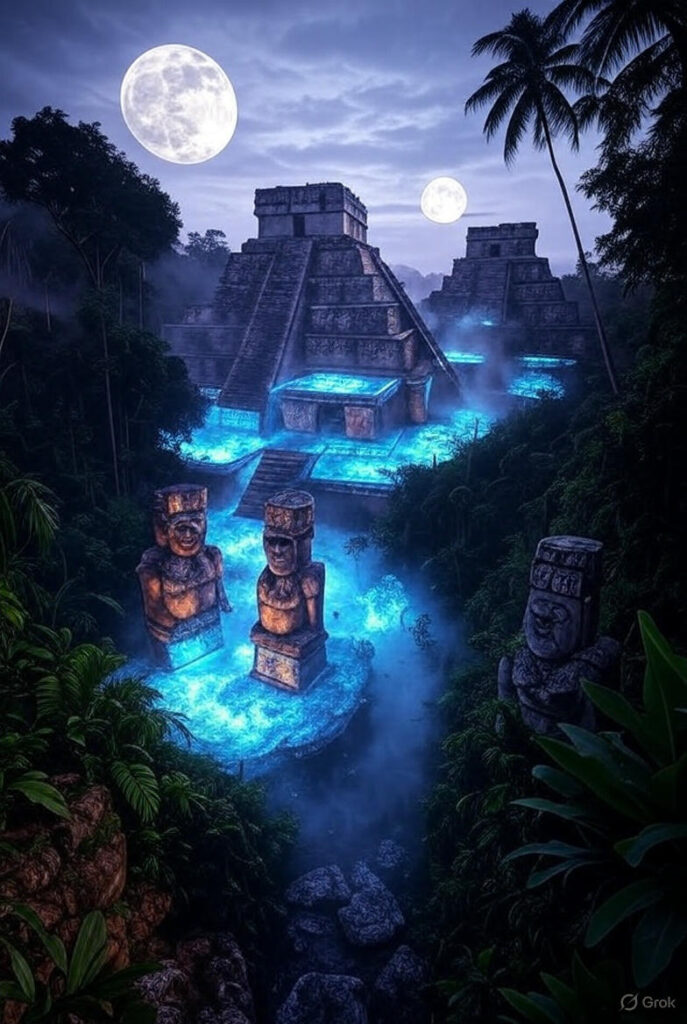
The Maya civilization flourished across the Yucatán Peninsula from roughly 2000 BC to the arrival of the Spanish in the 16th century. Unlike a single empire, the Maya comprised dozens of city‑states—each ruled by its own king, trading partners, and rivalries. Their achievements include:
- Astronomy & Calendar: Precise tracking of celestial cycles; the famous Long Count calendar began in 3114 BC.
- Writing System: Over 700 glyphs carved on stelae, pottery, and codices—one of the few fully developed Mesoamerican scripts.
- Architecture: Monumental pyramids, ball courts, and elaborate palaces built from locally quarried limestone.
- Mathematics: The concept of zero, a sophisticated base‑20 (vigesimal) number system.
- Agriculture: Advanced techniques such as milpa (slash‑and‑burn) and terracing to sustain dense populations.
By the Classic Period (250–900 AD), major centers like Calakmul, Tikal (just across the border in Guatemala), Uxmal, and Chichén Itzá dominated trade routes, politics, and religious life. After a series of environmental stresses, wars, and droughts, many cities were abandoned—a mystery that still fascinates archaeologists today. Modern descendants, the Yucatec Maya, preserve languages, rituals, and crafts that keep this ancient legacy alive.
Want to dive deeper? Check out our curated “Maya Explorer” itinerary, which includes guided tours at Uxmal, a night‑time stargazing session at Chichén Itzá, and a cooking class where you’ll learn to prepare traditional pib (underground oven) dishes.
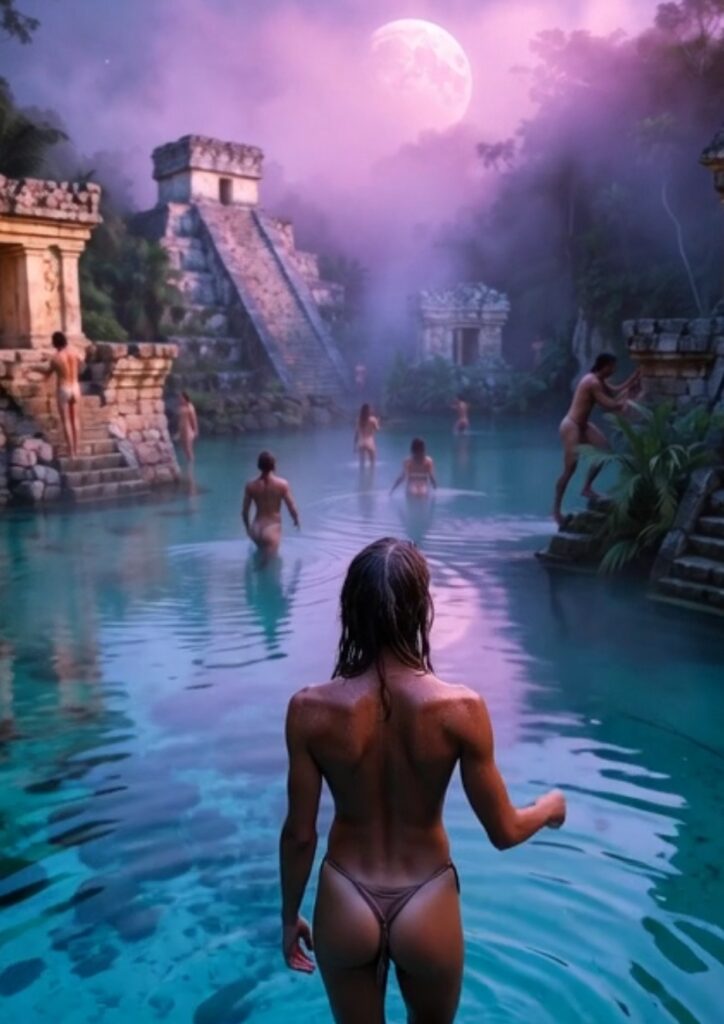
Key sites
The Yucatán is dotted with Maya ceremonial centers, each featuring towering pyramids that once served as temples, observatories, and royal tombs.
| Site | Main Pyramid | Notable Feature | Visitor Tip |
|---|---|---|---|
| Chichén Itzá | El Castillo (Temple of Kukulcán) | Equinox “serpent shadow” effect | Arrive before 8 am to beat the crowds |
| Uxmal | Pyramid of the Magician | Spiral base, legends of a dwarf king | Hire a local guide for the night‑light show |
| Ek Balam | Acropolis | Well‑preserved stucco masks, climbable steps | Bring water; the climb is steep |
| Cobá | Nohoch Mul (65 m) | Tallest climbable pyramid in the Yucatán | Rent a bike to explore the sprawling site |
| Mayapán | Temple of the Warriors | Small but atmospheric, less touristy | Ideal for a half‑day visit after Valladolid |
The stone silhouettes of the Yucatán’s pyramids rise from the jungle like timeless sentinels. Whether you’re watching the equinox shadow snake down El Castillo at Chichén Itzá or climbing the 65‑meter Nohoch Mul at Cobá for panoramic views, each monument whispers stories of astronomy, sacrifice, and empire. Guided tours add depth, revealing hieroglyphic inscriptions and the myths that still echo today.