Mayan History – “A Civilization That Shaped the Land”
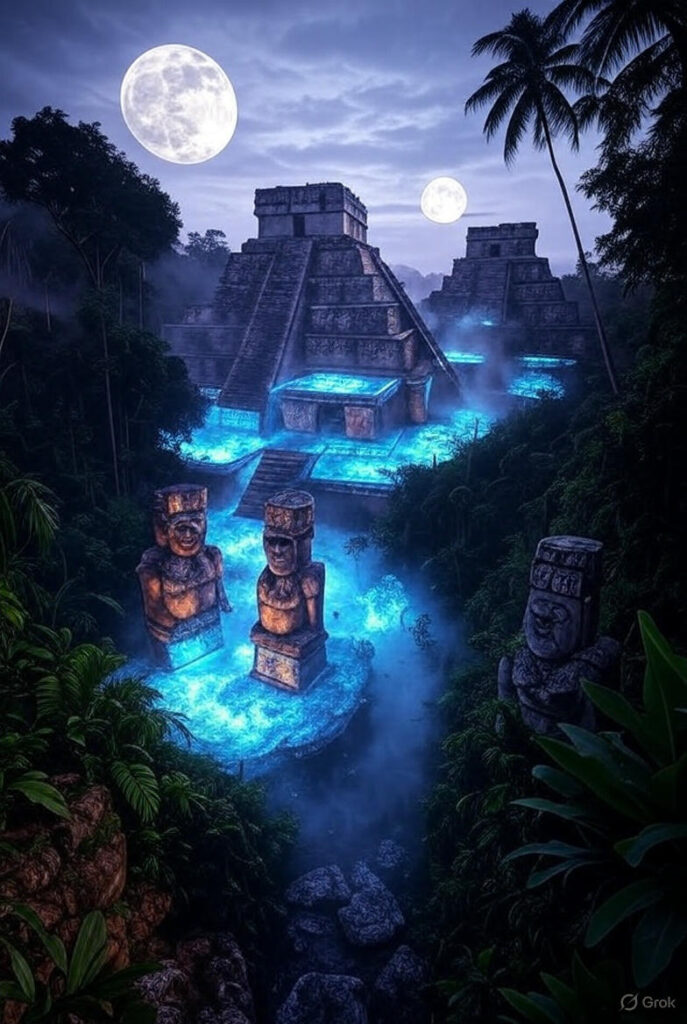
The Maya civilization flourished across the Yucatán Peninsula from roughly 2000 BC to the arrival of the Spanish in the 16th century. Unlike a single empire, the Maya comprised dozens of city‑states—each ruled by its own king, trading partners, and rivalries. Their achievements include:
- Astronomy & Calendar: Precise tracking of celestial cycles; the famous Long Count calendar began in 3114 BC.
- Writing System: Over 700 glyphs carved on stelae, pottery, and codices—one of the few fully developed Mesoamerican scripts.
- Architecture: Monumental pyramids, ball courts, and elaborate palaces built from locally quarried limestone.
- Mathematics: The concept of zero, a sophisticated base‑20 (vigesimal) number system.
- Agriculture: Advanced techniques such as milpa (slash‑and‑burn) and terracing to sustain dense populations.
By the Classic Period (250–900 AD), major centers like Calakmul, Tikal (just across the border in Guatemala), Uxmal, and Chichén Itzá dominated trade routes, politics, and religious life. After a series of environmental stresses, wars, and droughts, many cities were abandoned—a mystery that still fascinates archaeologists today. Modern descendants, the Yucatec Maya, preserve languages, rituals, and crafts that keep this ancient legacy alive.
Want to dive deeper? Check out our curated “Maya Explorer” itinerary, which includes guided tours at Uxmal, a night‑time stargazing session at Chichén Itzá, and a cooking class where you’ll learn to prepare traditional pib (underground oven) dishes.